What you watch at a show
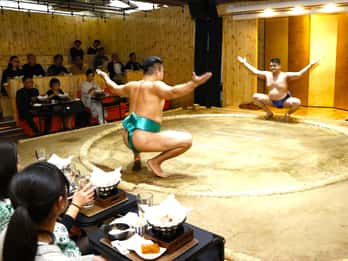
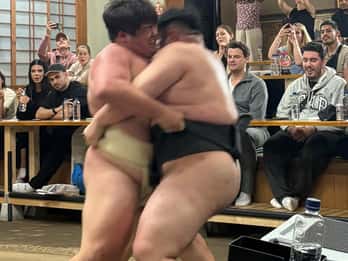
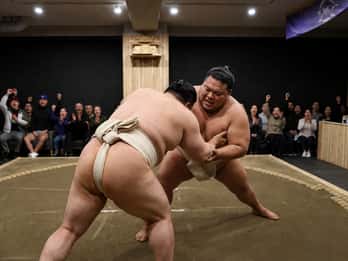
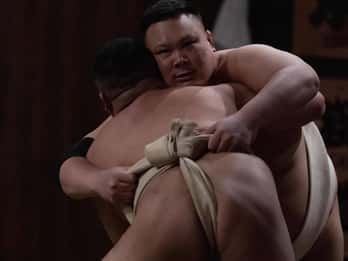
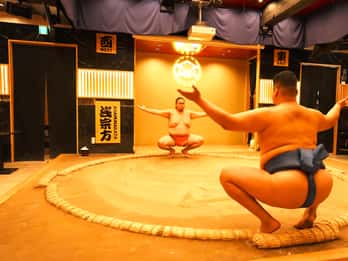
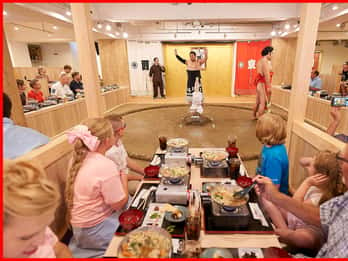
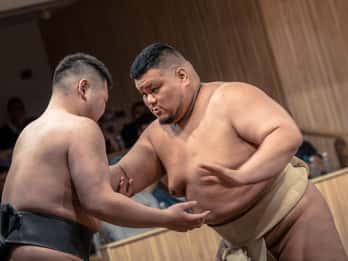
Reviewers describe a similar running order at most venues: an introduction to the history and rules, demonstrations of training exercises and illegal moves, a short bout between the wrestlers, then audience members in the ring and photos with the wrestlers. The Shinjuku show and the Asakusa ANNEX write in their listings that this is not a real tournament. Guests who expected one say so in their reviews, and one of them timed the actual wrestling at the ANNEX at about five minutes of two hours. If you want ranked bouts with results that count, that only happens at the Grand Sumo tournaments in January, May and September.
Six neighbourhoods, six stations
The venues are spread across the city, and the nearest station matters more than the district name. The Shinjuku Sumo Club is in Okubo, with its entrance next to a Daiso shop. Its Shibuya sister sits in the Yoyogi Broadway building near the east exit of JR Yoyogi, which is one stop from Shinjuku on the Yamanote line. The Ginza show is in the basement of Ginza INZ 1 near exit C9. Asakusa has two venues of the same club, the main one and the ANNEX on Kokusai-dori. SUMOLAND is in Ryogoku, the district of the Kokugikan, and Tokyo Sumo Beya is about five minutes on foot from exit A1 of Kiyosumi-shirakawa station. The pages on the Shinjuku and Shibuya shows, the Asakusa Sumo Club, the Ginza show and Ryogoku go into each venue.
Show times change what you get
Tokyo Sumo Beya runs four slots, at 8:30, 11:00, 15:00 and 19:00, and only the 11:00 and 19:00 slots include chanko. The same booking page covers all four, so pick the time with care if the meal is the reason you booked. At the Asakusa Sumo Club one reviewer found the Saturday night show noticeably bawdier than they had expected. For the shows that serve a full meal, the sumo show with dinner page lists what is served and which diets each kitchen can handle.
Getting into the ring
Listings and reviews of most shows mention guests in the ring, but no guest is promised a turn. At the Shinjuku show six guests per show are drawn by lottery. Reviews from the Ginza show and the ANNEX mention guests putting on a costume and pushing against a wrestler, and at Tokyo Sumo Beya several audience members took on the wrestlers. If a child in your group hopes to be picked, the page on sumo with kids covers which shows suit which ages.
Before you leave for the venue
Shinjuku and Ginza take cards only, no cash. Shinjuku does not let latecomers in. The ANNEX is reached by stairs and is not wheelchair accessible. One guest at the Ginza show found the air conditioning too cold, so a layer helps.